How to Maintain Your Solar-Powered Generator for Longevity?
A solar-powered generator is an excellent backup power source, but good maintenance affects how long it will work dependably. Many customers prioritise capacity and output when purchasing a system, but long-term endurance is dependent on proper maintenance. Batteries, solar panels, connections, and internal electronics all require maintenance. Poor storage practices and incorrect charging can substantially reduce battery life. Dust, dampness, and severe temperatures can degrade performance over time. By following easy maintenance procedures, you can safeguard your investment and assure constant functioning during emergency or outside use. This tutorial describes practical steps for extending the life of your solar generator.
Why Regular Maintenance Matters for Solar Generators
Regular maintenance ensures performance and safety. Although solar-powered generators have fewer moving parts than gas generators, they still include batteries, inverters, and electrical components that require maintenance. Proper care avoids unforeseen problems during outages. Batteries degrade faster when users ignore charging instructions or store them incorrectly. Dust accumulation and weak connections can limit performance and pose overheating concerns. Routine inspection enables you to spot minor flaws before they escalate into costlier difficulties. In many circumstances, consistent maintenance helps to maintain warranty coverage. Adopting proactive behaviours ensures consistent electricity and increases the total lifespan of your generator.
How to Care for the Battery and Charging System
Follow Proper Charging and Discharging Practices
Battery health is dependent on proper charging behaviour. Whenever possible, avoid completely exhausting the battery. Most lithium-based devices work best at modest charge levels. Follow the manufacturer's instructions for maximum and minimum discharge limitations. Do not leave the generator completely drained for an extended period. When charging, only use certified wires and compatible solar panels. Overloading the input might harm internal circuitry. If your model has smart charging capabilities, activate them to safeguard battery cells. Consistent charging habits reduce capacity degradation and keep output steady over time. Responsible use directly increases battery life.
Store the Generator Correctly During Long Periods of Inactivity
Proper storage is critical for extending the life of your battery. If you don't expect to use the generator for a few weeks or months, charge it to the suggested storage level, which is usually between 50 and 80 per cent. Store the device in a cool, dry place away from direct sunlight. Avoid severe conditions, particularly cold and intense heat. Check the battery level on a regular basis and recharge if necessary. Before storing anything, disconnect any external gadgets and cords. These safeguards protect against deep discharge and decrease internal stress on battery cells. Careful storage keeps the generator ready for future use.
Monitor Battery Health and Update Firmware When Needed
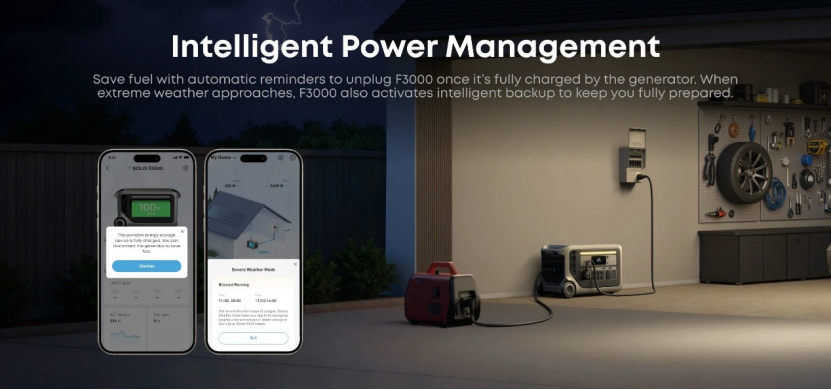
Modern solar-powered generators frequently have digital displays or mobile applications that provide battery health and performance information. Regularly monitor these indicators for signs of anomalous behaviour. Rapid capacity decrease or sudden shutdowns might indicate battery problems. Some manufacturers provide firmware upgrades to increase charging efficiency and safety features. Install updates according to the official guidelines. Firmware changes can improve battery management systems and performance stability. Regular monitoring allows you to respond swiftly to danger indications. By staying informed about system status and software updates, you protect battery integrity and maintain reliable operation throughout the generator’s lifespan.
How to Maintain Solar Panels, Cables, and External Components
Clean Solar Panels and Check for Physical Damage
Solar panel efficiency in solar power generators decreases when dirt, dust, or debris block sunlight. When buildup appears on panels, use a soft cloth and water to gently clean them. Avoid abrasive items that may scratch the surface. Inspect panels for cracks, loose frames, and faulty wiring. Even little flaws can lower production and let moisture inside, compromising the operation of solar power generators. After storms or transportation, thoroughly inspect panels for impact damage. Position panels firmly to avoid bending or strain. Regular cleaning and inspection ensure optimal energy output and protect solar power generators from long-term structural concerns that may impair performance.
Inspect Cables, Ports, and Connections Regularly
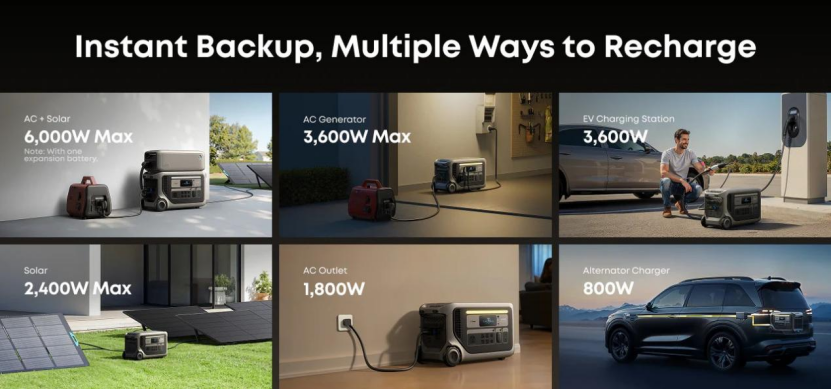
Cables and connections transport electricity between panels, batteries, and gadgets. Inspect them regularly for frayed wires, loose fittings, and corrosion. Damaged wires can cause power outages or overheating. Ensure that all plugs fit securely into their respective ports without using undue force. Dirt inside connecting points might disrupt charging or output. If required, use compressed air to carefully clean the ports. Avoid bending wires forcefully because repetitive stress weakens internal conductors. Replace worn or broken components right away. Strong, secure connections provide efficient power flow and limit the likelihood of electrical problems during operation.
Protect the Generator from Heat, Moisture, and Dust
Long-term durability is impacted by exposure to the environment. Avoid exposing the generator to extreme heat, as this can harm internal electronics and battery cells. Do not expose it to direct sunlight for long periods of time. Moisture can damage circuits and create corrosion. Whenever feasible, store and use the device in a dry environment. Use appropriate coverings to keep it dry if you plan to use it outside. A buildup of dust can obstruct airflow and result in overheating. To keep air flowing, clean ventilation apertures on a regular basis. You can lessen wear and safeguard the generator's delicate parts by regulating environmental exposure.
Conclusion
Maintaining a solar-powered generator needs consistent but straightforward upkeep. Follow appropriate charging procedures, store the item properly, and keep track of the battery's health. Clean the solar panels and examine the wires to guarantee proper electricity delivery. Protect the generator from high heat, moisture, and dust. Regular attention reduces performance degradation and increases battery life. With careful maintenance, your solar generator will provide steady electricity for years, whether during an emergency or for outdoor usage.